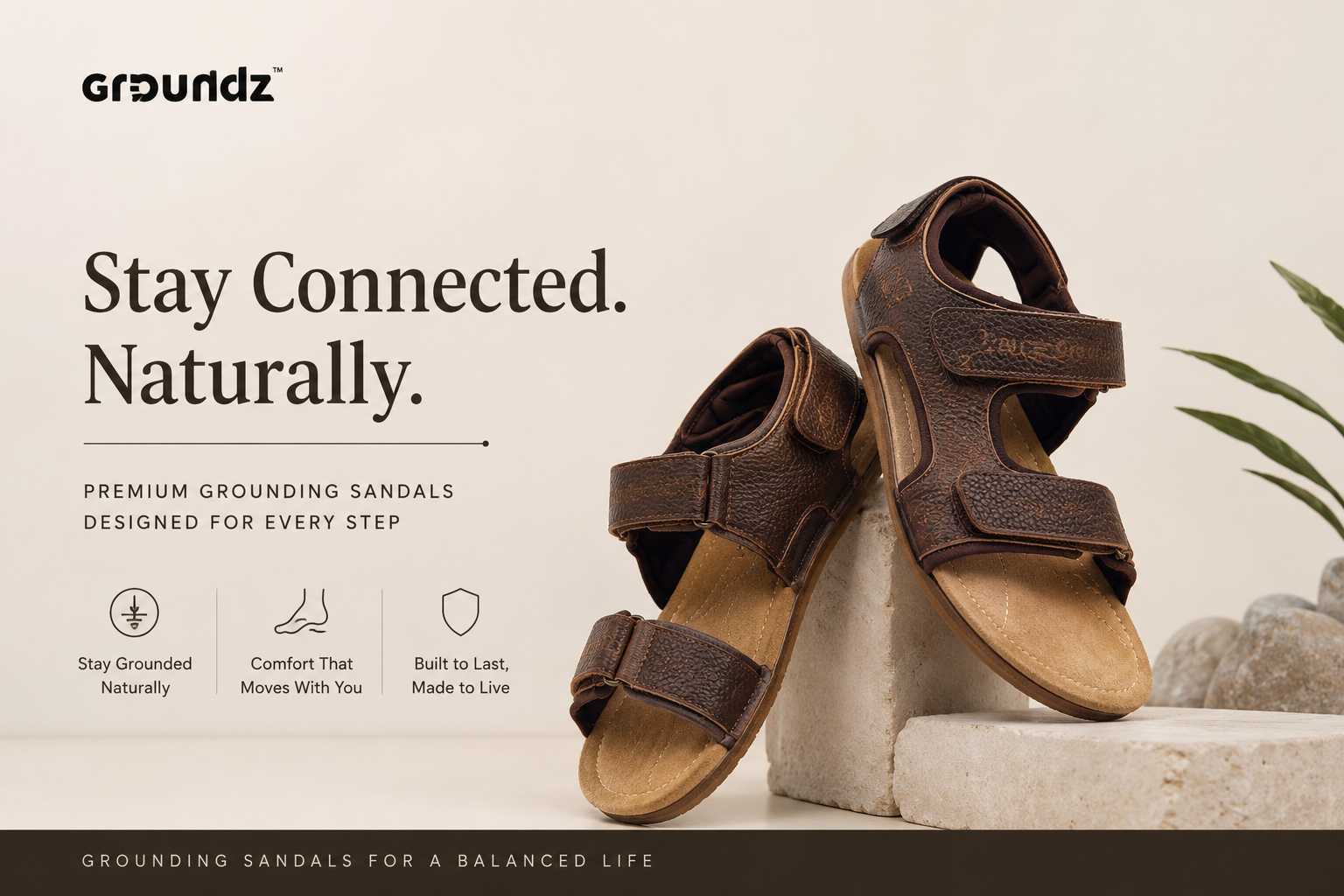
 Groundz Shoes
2 months ago in Business Services
Groundz Shoes
2 months ago in Business Services
Sitio de Social Bookmarking de Alta Autoridad para SEO Argentino en 2026 - A2Bookmarks Argentina
Bienvenido a A2Bookmarks Argentina, el principal sitio de social bookmarking creado para usuarios en todo el país. Este sitio de social bookmarking para Argentina te ayuda a guardar, organizar y compartir tus URLs y páginas web favoritas con nuestra plataforma fácil de usar. Este servicio es ideal para emprendedores y empresas argentinas que buscan mejorar su SEO y visibilidad online. Únete a nuestra comunidad entre los mejores sitios de social bookmarking argentinos para 2026 para descubrir contenido, conectar con otros y aumentar tu alcance. Nuestra plataforma apoya el intercambio enfocado en Argentina para construir autoridad y atraer tráfico segmentado. Optimiza tu participación online con A2Bookmarks Argentina, una opción confiable entre los mejores sitios de social bookmarking para el mercado argentino, mientras marcas estratégicamente para crecer tu presencia digital en Argentina.
The Hidden Problem With Most Men’s Barefoot Leather Sandals band.us
Groundz Shoes
2 months ago in Business Services
Most men searching for mens barefoot leather sandals are not actually struggling to find options. The real problem is that many of these sandals quietly fail at one critical thing: they don’t behave like barefoot footwear once you start walking in them.
They look minimal, they feel light in hand, but under real movement, they alter your gait, shift pressure, and force your muscles to compensate. That mismatch is where discomfort, fatigue, and even long-term inefficiency begin.
This article breaks down why that happens and how to avoid it.
Why “Barefoot” Sandals Often Stop Acting Barefoot
A sandal can look minimal and still interfere with natural movement. The issue comes down to biomechanics, not aesthetics.
Research on light footwear shows that sandals create a middle-ground gait, somewhere between barefoot and cushioned shoes.
That sounds good in theory, but it introduces a subtle problem: your body has to adapt constantly.
Here’s what actually happens:
- Your ankle stabilizers work harder because open sandals lack structure
- Pressure increases on the forefoot, especially near the big toe
- Stride and cadence shift slightly, often without you noticing
These are not dealbreakers, but they explain why some sandals feel “off” after a few hours, even if they seemed perfect at first.
The key insight: not all barefoot sandals reduce interference equally. Design details matter more than the label.
The Overlooked Role of Leather in Foot Function
Leather is often marketed as a premium material, but its real impact is functional, not just aesthetic.
Well-made leather sandals adapt to your foot over time. This creates a more personalized contact surface, which improves proprioception and comfort.
However, there’s a catch most buyers miss.
Insight #1: Leather can either enhance or block ground feel
- Thick, padded leather reduces sensory feedback
- Ultra-thin leather improves flexibility but may compromise durability
- Stiff leather straps can restrict toe splay
This means leather itself is not the advantage. The way it’s used determines whether the sandal behaves like a barefoot extension or just a stylish compromise.
The Stability Trade-Off Nobody Talks About
Minimalist footwear removes support by design. That’s intentional. But sandals introduce instability differently than closed barefoot shoes.
Because they are open and often loosely secured, your foot must actively grip or stabilize with each step. Studies show increased muscle activation in the lower leg for this reason.
Insight #2: More “freedom” can mean more fatigue
This is where many users get confused. They expect less support to feel easier, but instead they feel tired.
The reason is simple:
- Your foot is doing more work than it’s trained for
- Strap design may force unnatural tension patterns
- Lack of heel security changes stride mechanics
Over time, this can lead to either stronger feet or persistent discomfort, depending on the sandal design.
Why Fit Matters More Than Features
Most buyers compare sandals based on thickness, material, or brand reputation. But experienced users consistently point to one factor: fit variability.
Community discussions around minimalist sandals repeatedly highlight how different models fit drastically differently, even within the same category.
This matters because barefoot footwear depends on natural alignment. A poor fit cancels out the benefits.
Insight #3: A slightly wrong fit is worse than a thicker sole
Even small issues like:
- Toe strap positioning
- Width mismatch
- Heel slippage
…can force compensations in your walking pattern.
That’s why evaluating sandals based purely on “minimalism” misses the bigger picture.
What Actually Defines a High-Performance Barefoot Sandal
If you strip away marketing language, the best-performing sandals consistently share a few functional traits:
- A flexible sole that bends with your foot, not against it
- Enough ground feel without creating pressure hotspots
- Secure but non-restrictive strapping
- A shape that allows natural toe spread
Minimalist footwear research also supports this direction, showing benefits when shoes promote natural gait and foot strength rather than artificial support.
But again, execution matters more than intention.
Where Most Sandals Fail in Real Use
After extended wear, common failure points start to appear:
- Hotspots under the forefoot from uneven pressure
- Strap friction due to poor alignment
- Subtle instability on uneven surfaces
These are rarely mentioned in product descriptions, but they determine whether a sandal works for daily use or just short outings.
The gap between expectation and reality is what drives many users to keep switching brands.
A More Practical Direction: Choosing With Purpose
If your goal is true barefoot performance, not just style, you need to evaluate sandals differently.
Instead of asking “Is this minimalist?”, ask:
- Does this allow my foot to move naturally under load?
- Does it reduce compensation, not just weight?
- Can I wear this for hours without micro-adjusting my stride?
That shift in thinking immediately filters out most average options.
A Smarter Option to Explore
If you’re looking for mens barefoot leather sandals that align more closely with actual barefoot principles rather than just appearance, it’s worth examining designs built around movement first.
focus on balancing flexibility, secure fit, and natural foot mechanics rather than over-engineered features.
The difference becomes noticeable not when you put them on, but after a full day of walking.
Final Thought: Barefoot Is a System, Not a Style
The biggest mistake in this space is treating barefoot sandals as a fashion category instead of a biomechanical tool.
The truth is:
- Your foot adapts to what you wear
- Poor design forces compensation
- Good design disappears under movement
Minimalist sandals are not about having less shoe. They are about having less interference.
Once you understand that, choosing the right pair becomes far more precise and far less frustrating.
voters
Report Story 
Related Stories










Recent Stories