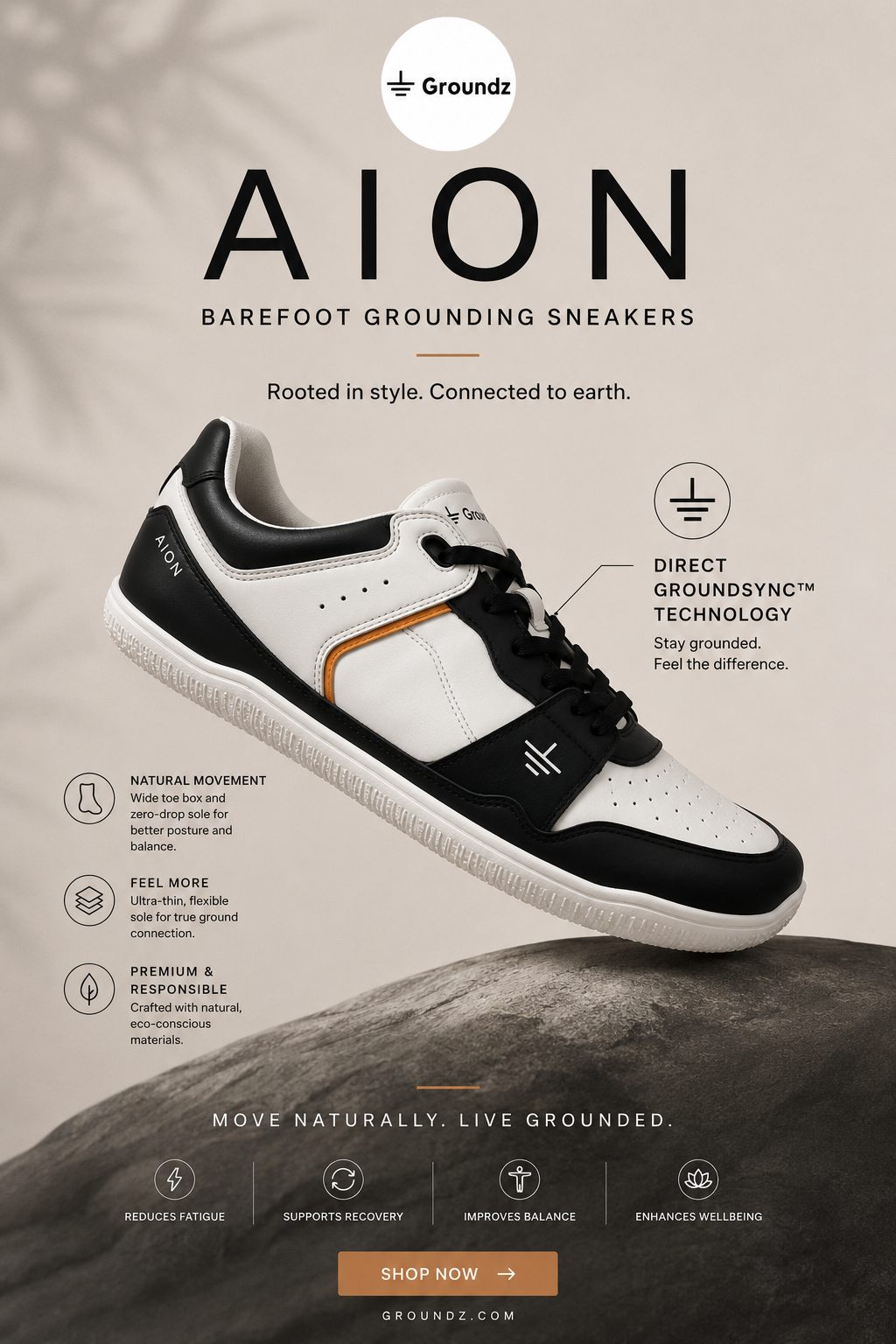
 Groundz Shoes
4 weeks ago in Retail Shops
Groundz Shoes
4 weeks ago in Retail Shops
Sitio de Social Bookmarking de Alta Autoridad para SEO Argentino en 2026 - A2Bookmarks Argentina
Bienvenido a A2Bookmarks Argentina, el principal sitio de social bookmarking creado para usuarios en todo el país. Este sitio de social bookmarking para Argentina te ayuda a guardar, organizar y compartir tus URLs y páginas web favoritas con nuestra plataforma fácil de usar. Este servicio es ideal para emprendedores y empresas argentinas que buscan mejorar su SEO y visibilidad online. Únete a nuestra comunidad entre los mejores sitios de social bookmarking argentinos para 2026 para descubrir contenido, conectar con otros y aumentar tu alcance. Nuestra plataforma apoya el intercambio enfocado en Argentina para construir autoridad y atraer tráfico segmentado. Optimiza tu participación online con A2Bookmarks Argentina, una opción confiable entre los mejores sitios de social bookmarking para el mercado argentino, mientras marcas estratégicamente para crecer tu presencia digital en Argentina.
Grounding Shoes: What They Actually Do and Where They Fall Short logcla.com
Groundz Shoes
4 weeks ago in Retail Shops
Grounding shoes are designed to maintain an electrical connection between your body and the Earth while you wear footwear. Unlike conventional insulating soles, they use conductive materials or components to create a pathway between the foot and the ground. The idea is straightforward, but the health claims surrounding it deserve a closer look.
How Grounding Footwear Works
Grounding, also called earthing, refers to direct physical connection between the body and the Earth’s surface. Grounding footwear attempts to reproduce part of that connection without requiring bare feet.
The important detail is the surface beneath you. A conductive shoe cannot create a ground connection by itself. The ground must also provide a conductive pathway. Research discussing grounding footwear identifies this as a practical variable, along with the construction of the shoe and the conditions inside it.
That means a pair of grounding shoes may behave differently outdoors than it does on an insulating indoor floor. Moisture, surface composition, socks, and the shoe’s conductive components can all affect electrical contact.
What Does the Research Show?
This is where marketing claims often get ahead of the evidence.
A randomized, double-blind crossover study involving 10 elite runners compared conductive grounding shoes with conventional training shoes. Researchers found no significant differences in running economy, heart rate, lactate, or perceived fatigue between the two conditions. The study concluded that grounding footwear did not improve running efficiency or physiological responses during the tested exercise.
Broader research on earthing remains limited. Cleveland Clinic notes that studies examining potential effects on sleep, pain, inflammation, stress, and other health outcomes are generally small or methodologically limited, making firm medical conclusions premature.
That distinction matters: evidence that grounding is biologically interesting is not the same as evidence that a particular shoe treats a health condition.
A Practical Way to Evaluate Grounding Shoes
If you’re considering conductive footwear, start with the physical design rather than the health claims.
Look for a clearly identified conductive pathway connecting the foot to the exterior sole. Then consider where you intend to use the shoes. Outdoor walking on potentially conductive natural surfaces is fundamentally different from wearing them on carpet, vinyl, or other insulating materials.
Foot protection should remain the priority. Going barefoot solely to maximize grounding can introduce ordinary outdoor hazards such as cuts, infections, and falls. Cleveland Clinic recommends treating earthing as a complementary wellness practice rather than a substitute for established medical treatment.
Electrical safety also matters. Conductive footwear should not be confused with electrically protective footwear. OSHA guidance emphasizes that footwear used around electrical hazards must be selected according to the relevant workplace protection requirements.
For now, the most defensible view is simple: grounding shoes can provide a conductive connection under the right conditions, but claims that this connection reliably improves athletic performance or treats disease are not established by high-quality evidence.
voters
Report Story 
Related Stories



Recent Stories